



LT Foods, the business behind Daawat and Royal rice, reported consolidated revenue of ₹6,414 crore for the first half of FY2027, an increase of 22% year on year. Profit after tax grew 9% to ₹364 crore, according to reporting on 28 October 2026.
The company also reported lower consolidated margins, attributing the movement to factors including shipment terms, restructuring and brand investment. These are company-specific results, rather than evidence of performance across the entire food market.
For retailers, the results offer a useful reminder that sales growth and profitability can move at different speeds.
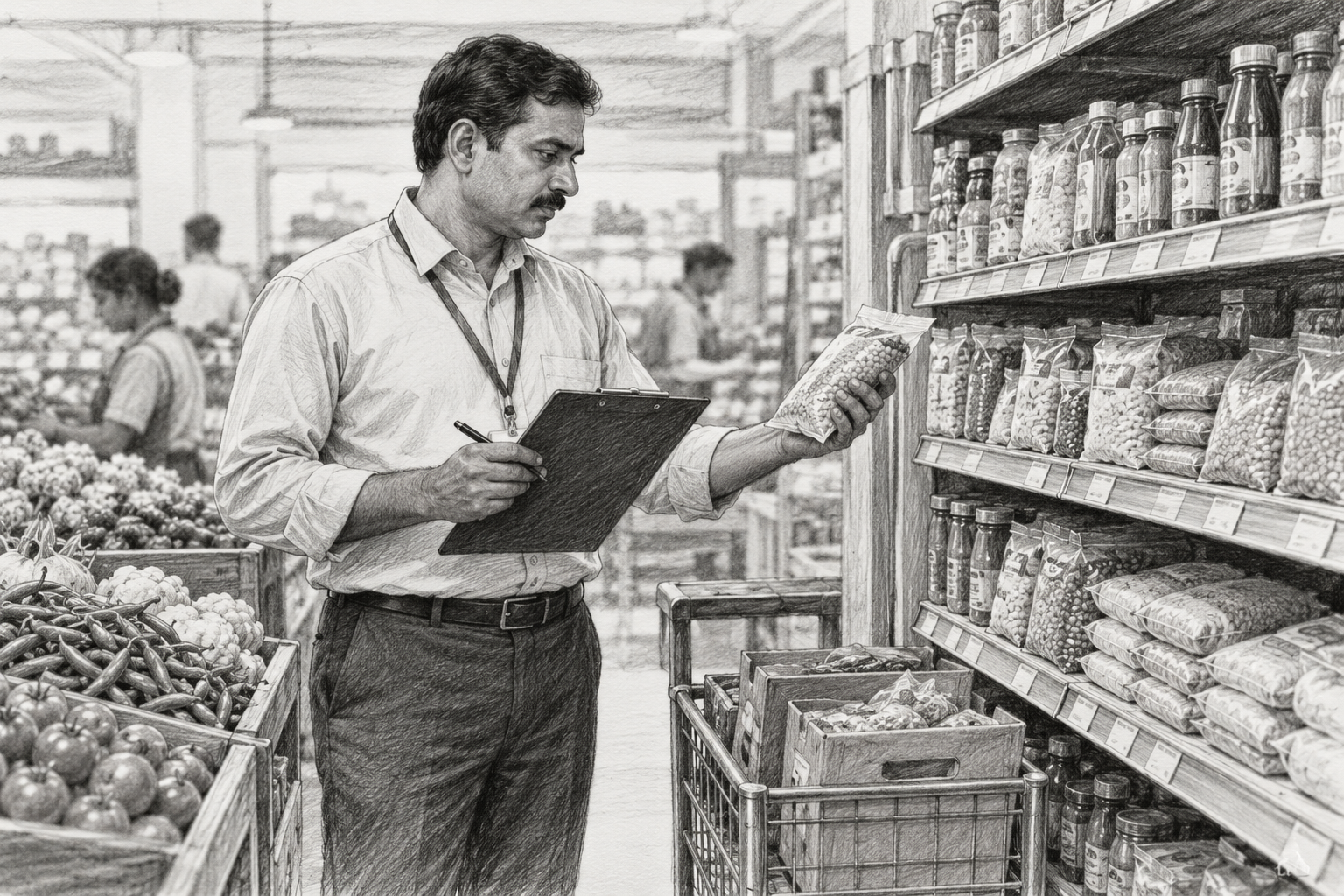
A larger product range can attract customers, but it also requires careful stocking. Premium products, convenient formats and new launches must earn their shelf space through repeat demand and manageable inventory costs.
The Retail Times recommends closer coordination between manufacturers, distributors and retailers on demand forecasting, replenishment and product information.
Smaller stores need commercially realistic order sizes and clear communication about promotions. Manufacturers benefit when distribution growth is supported by consistent availability and retailers understand which products suit their customers.
The consumer interest should remain visible throughout: understandable pack information, dependable quality and meaningful choice across price points.
Industry leaders should examine how growth affects working capital and stock movement throughout the chain, including smaller distributors and neighbourhood outlets.
The Retail Times urges food brands to pair expansion with disciplined replenishment and fair channel practices. Strong retail performance should be measured through repeat sales, healthy stock rotation and sustainable partner earnings.